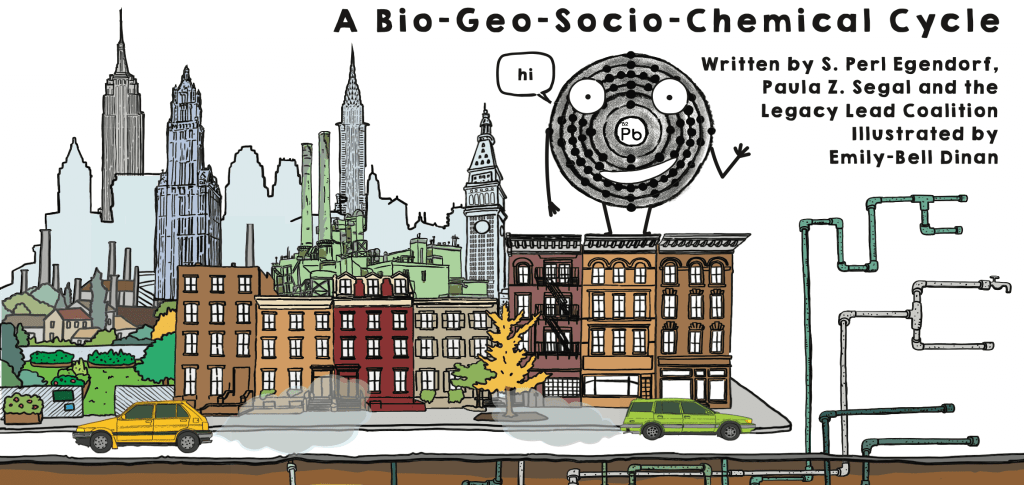
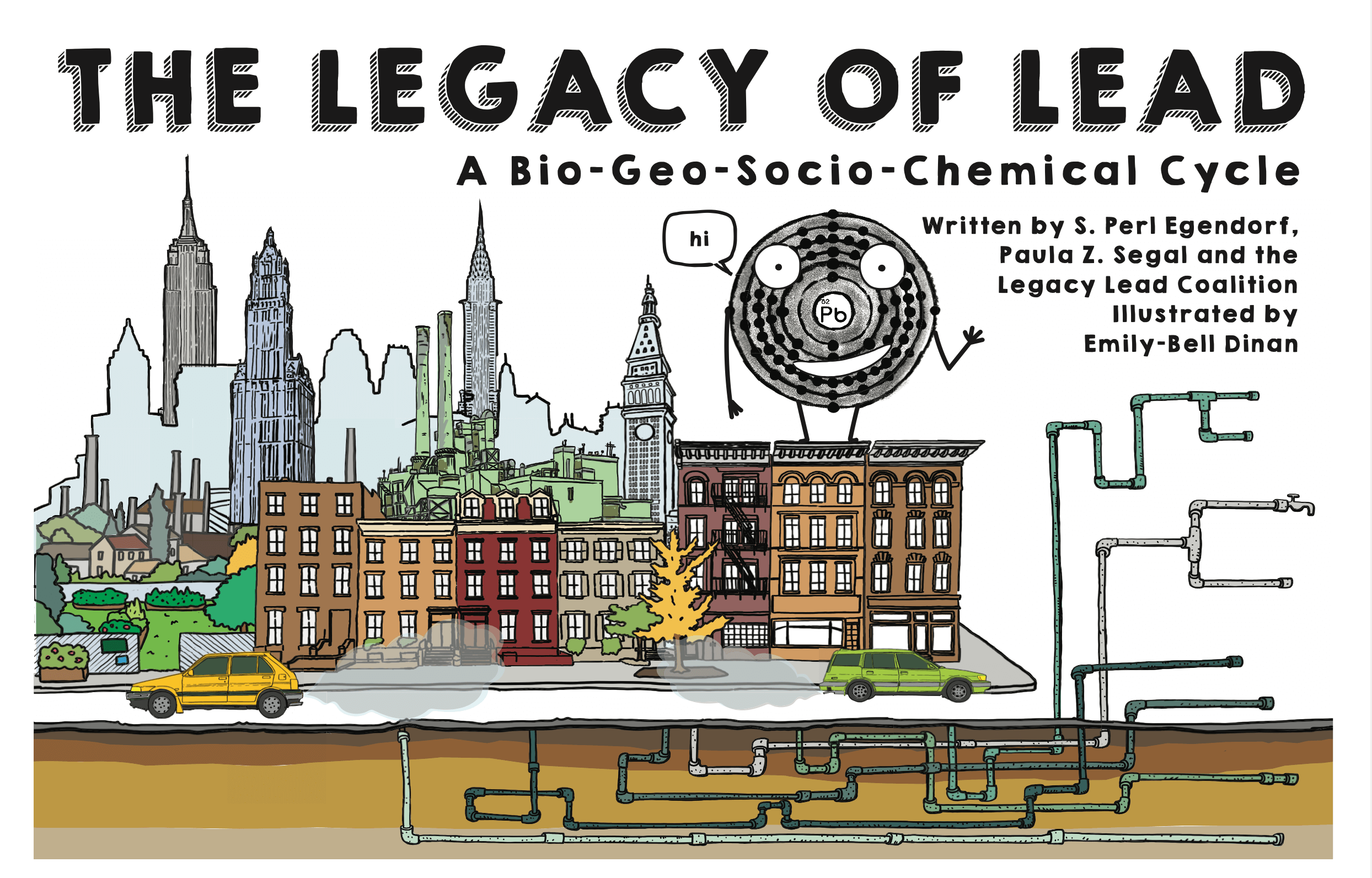
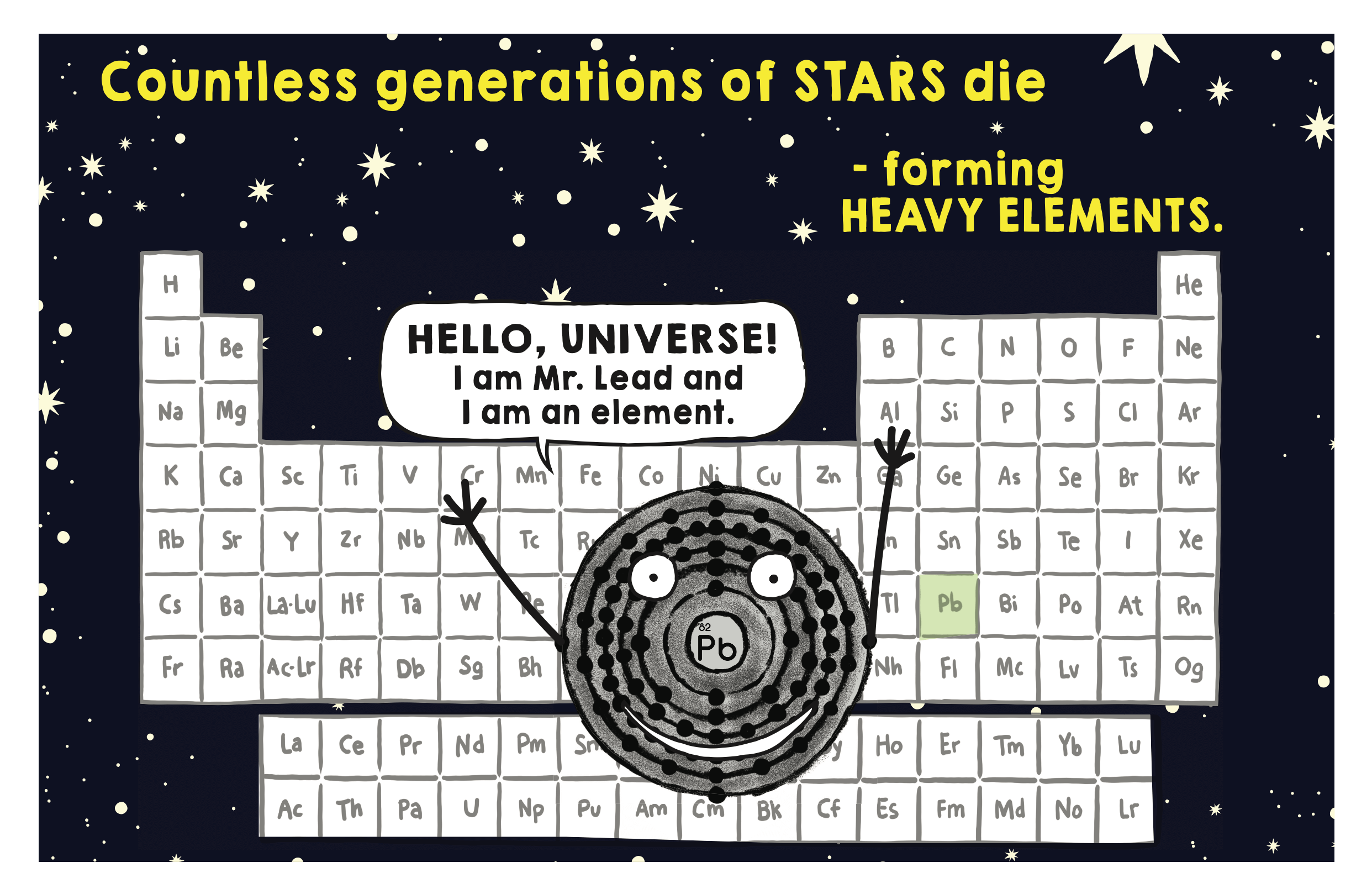
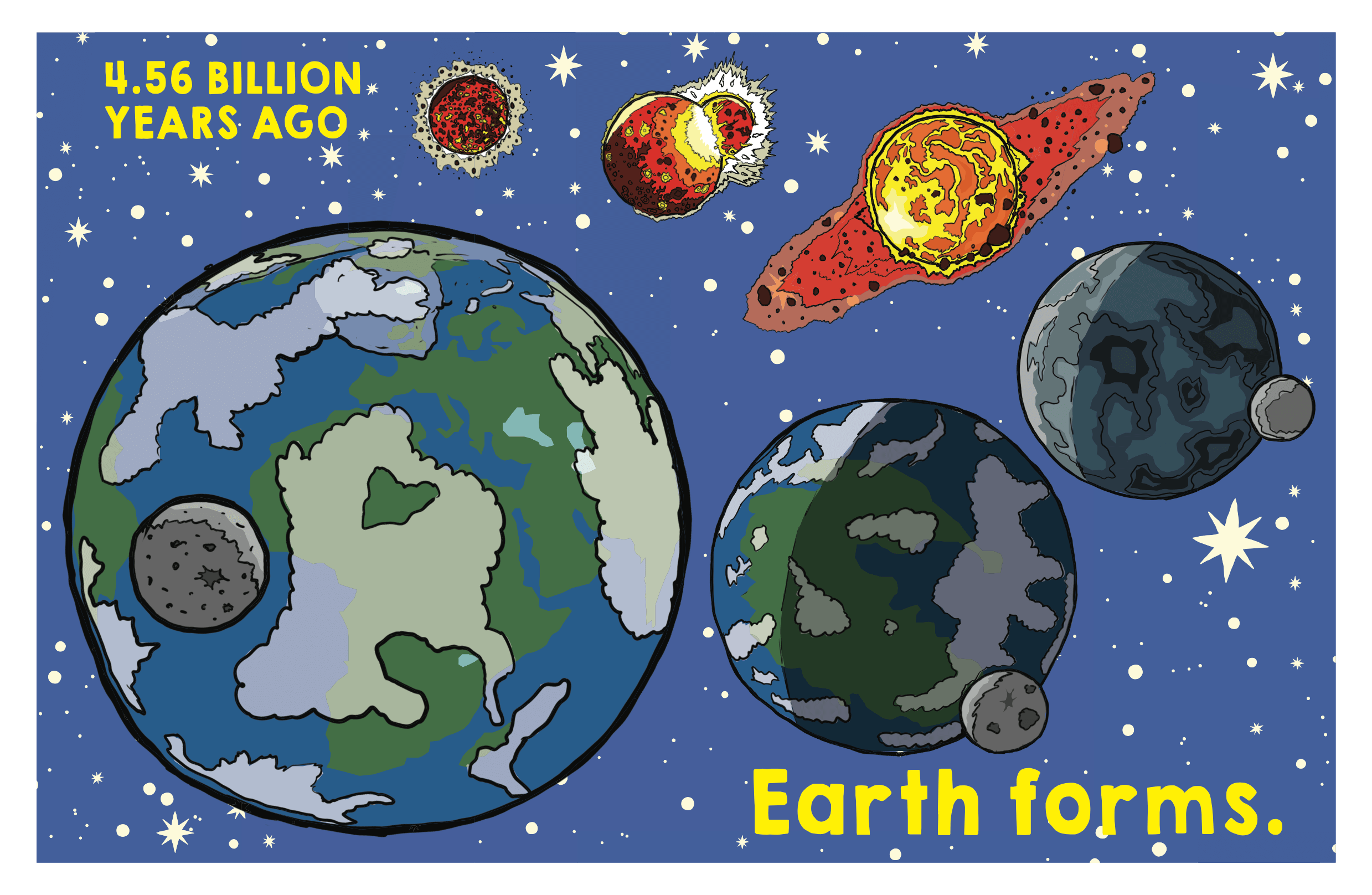
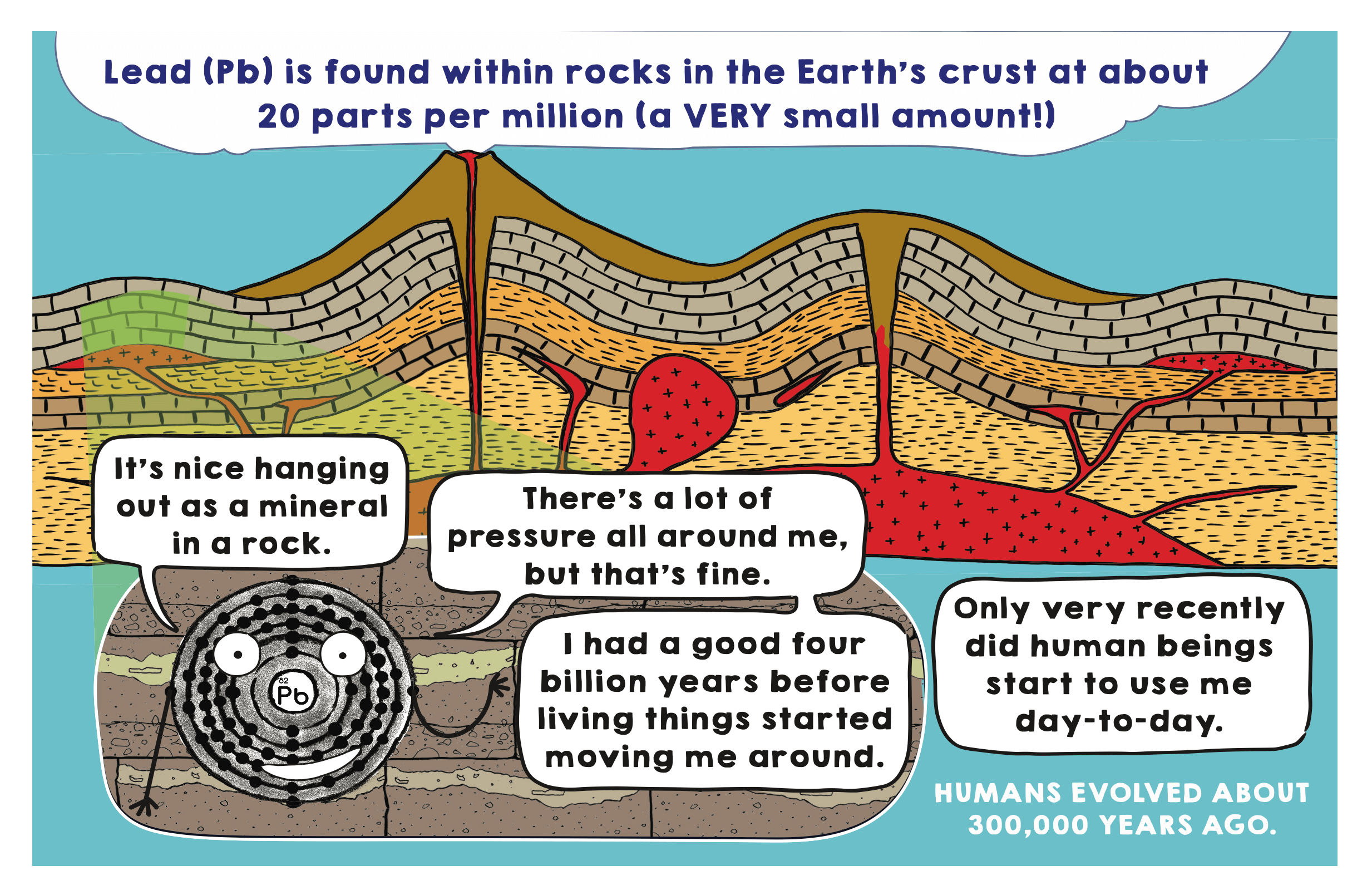
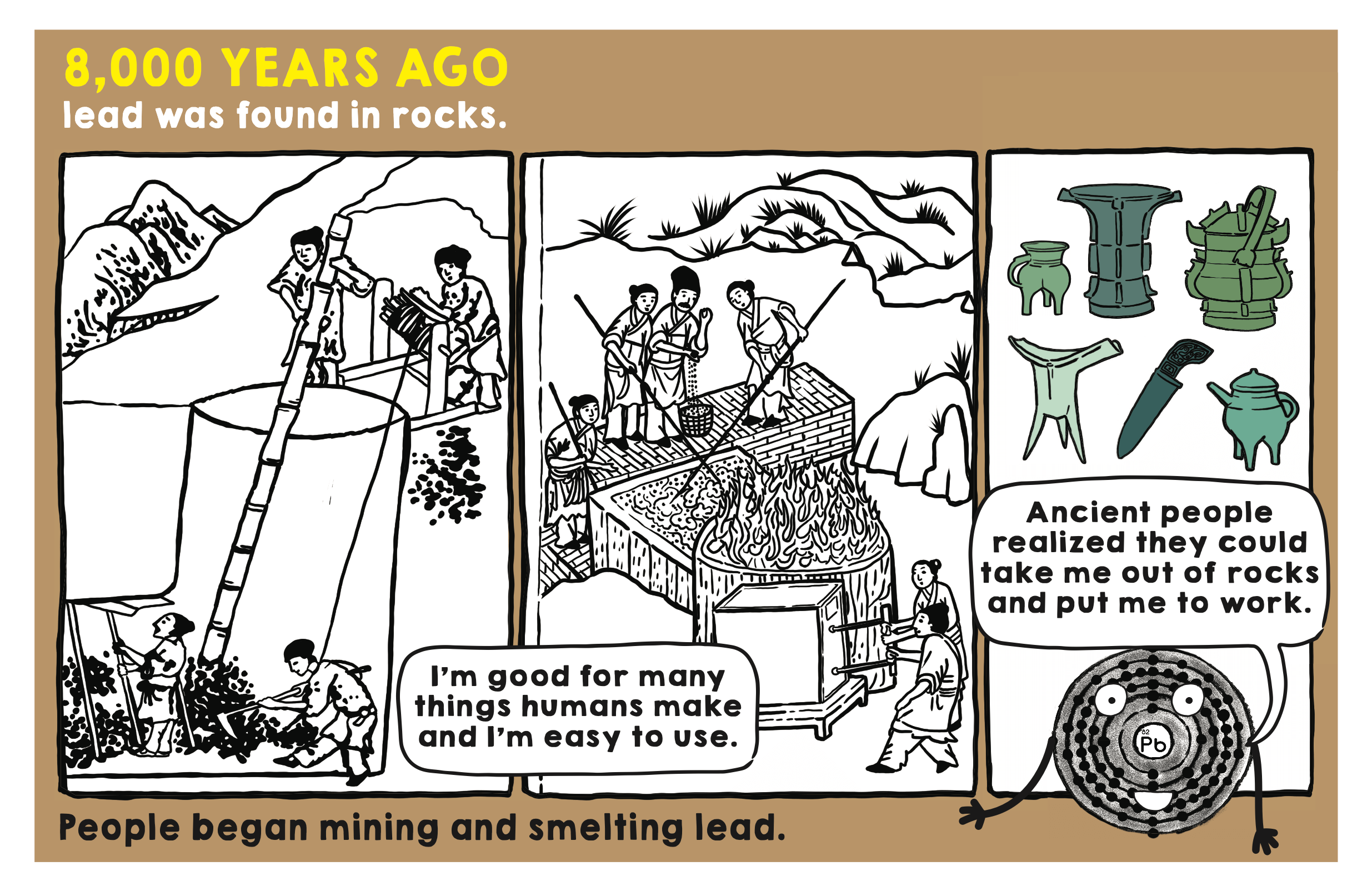
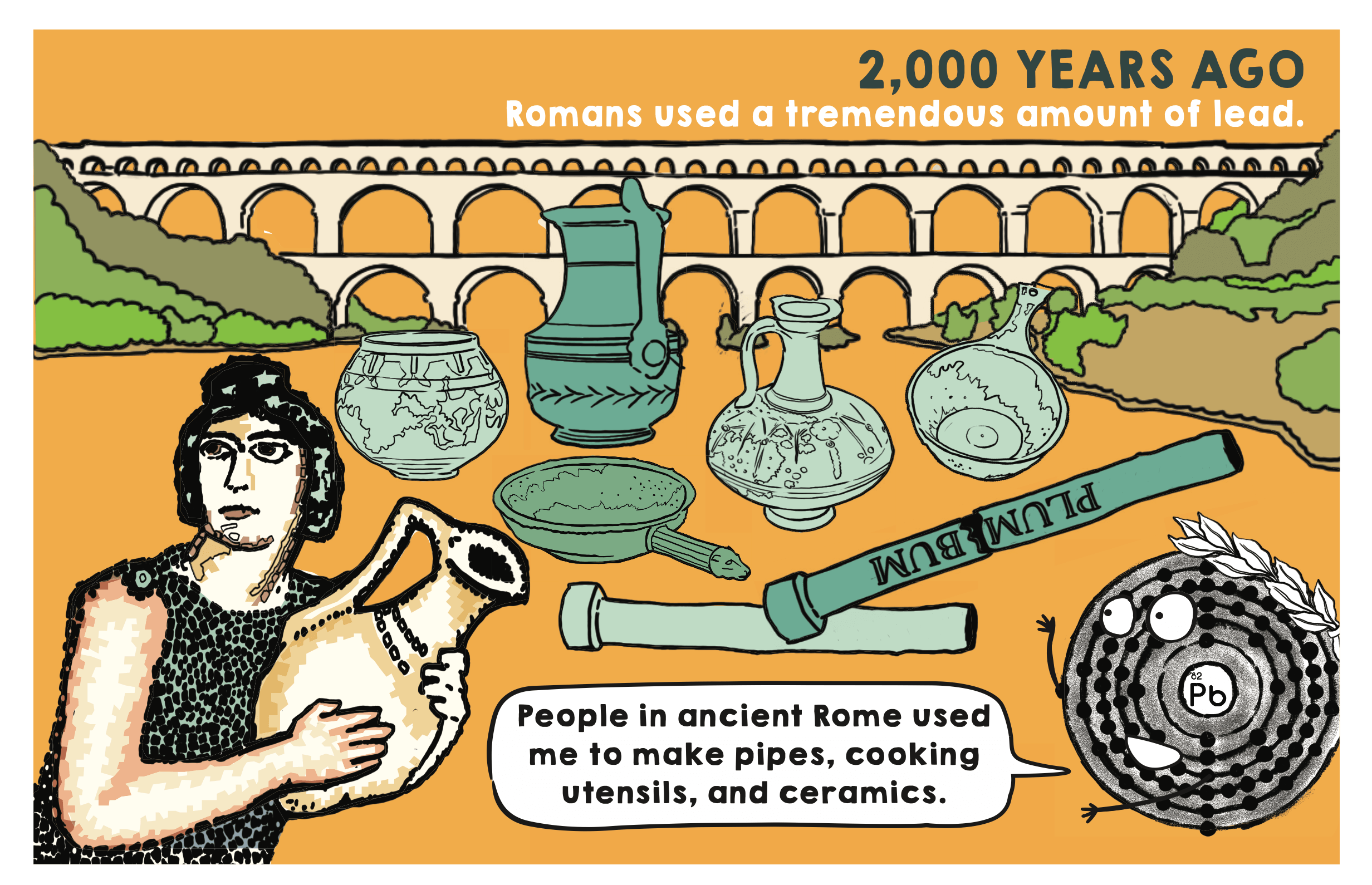
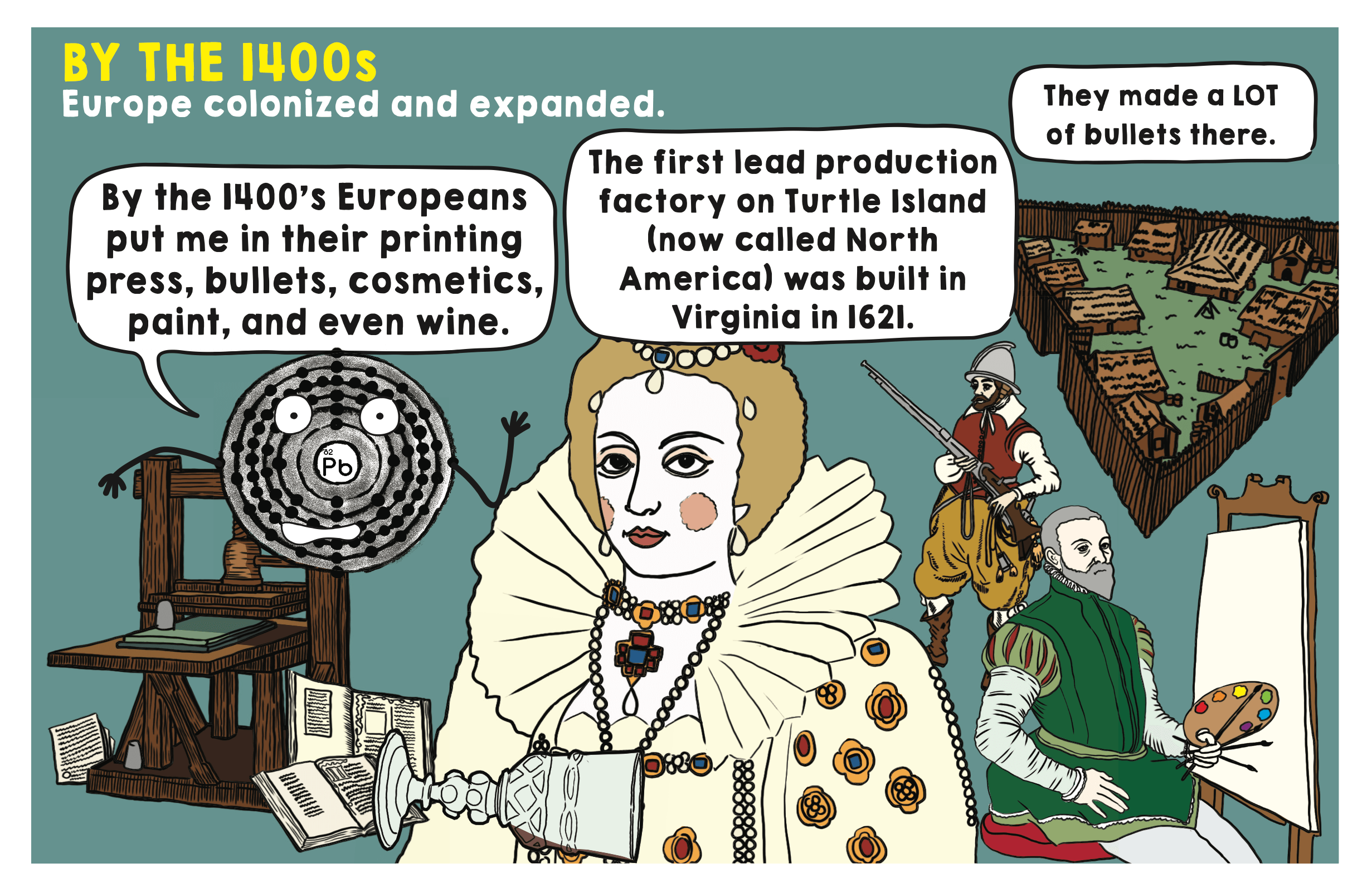
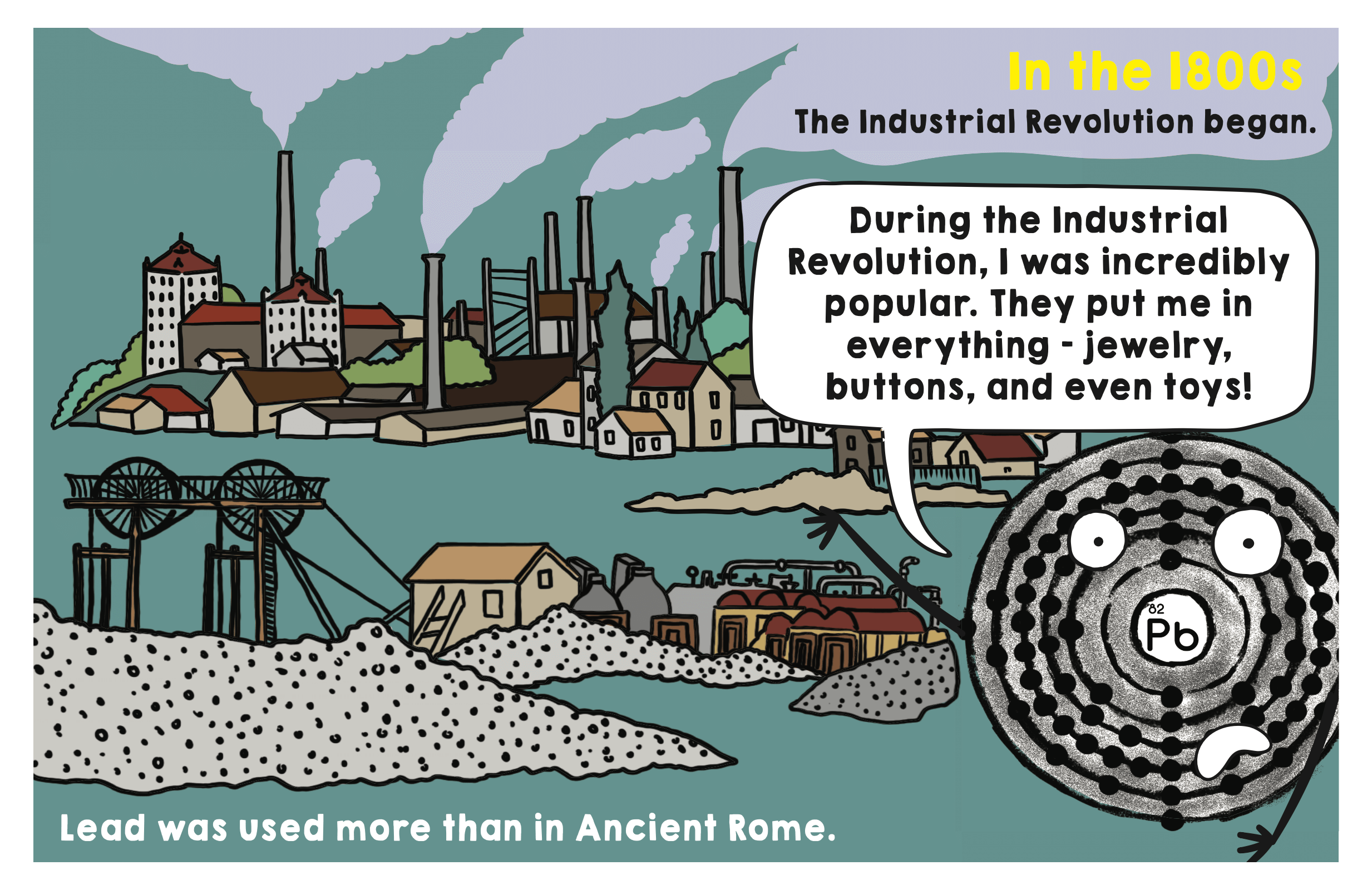
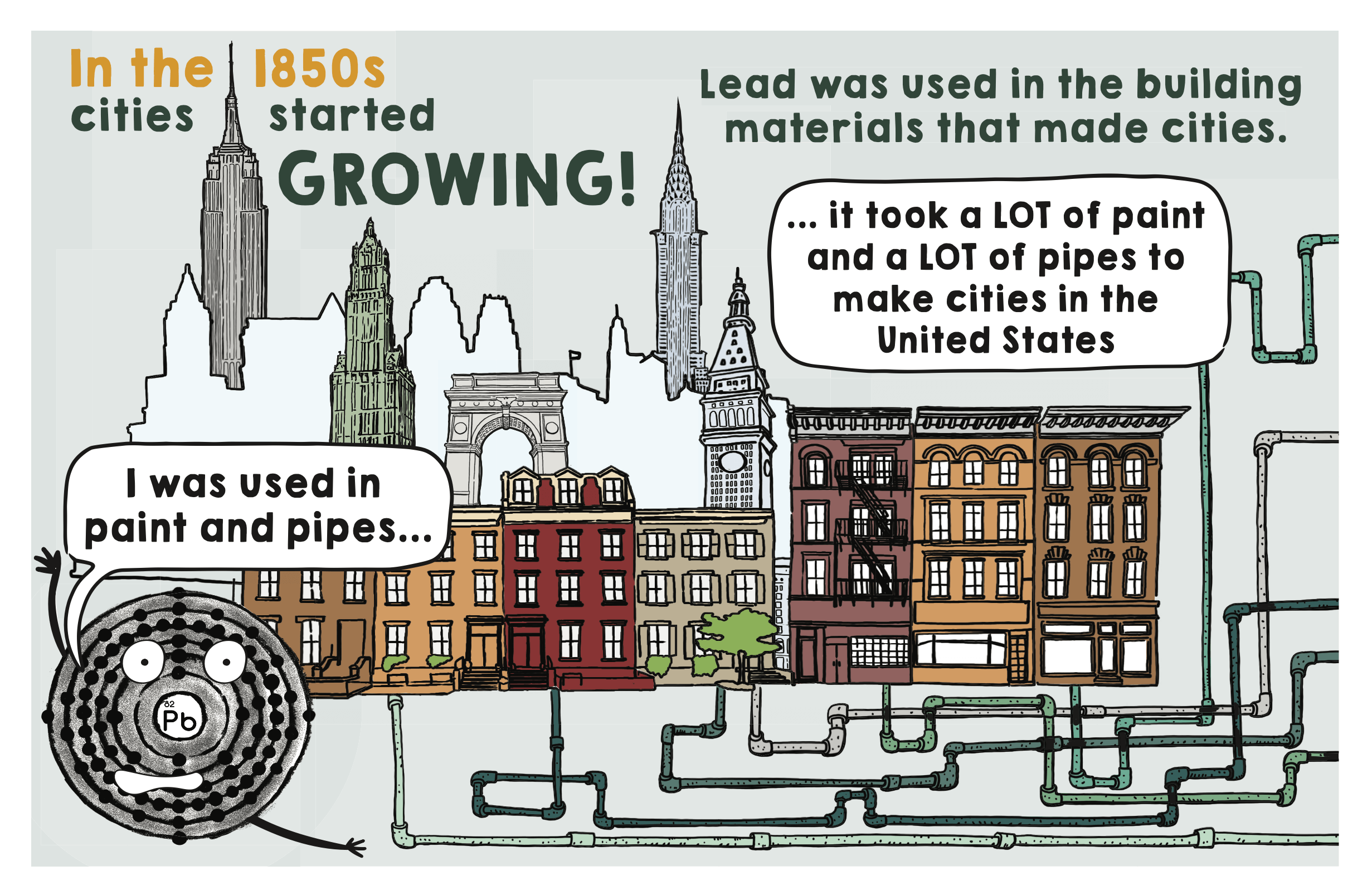
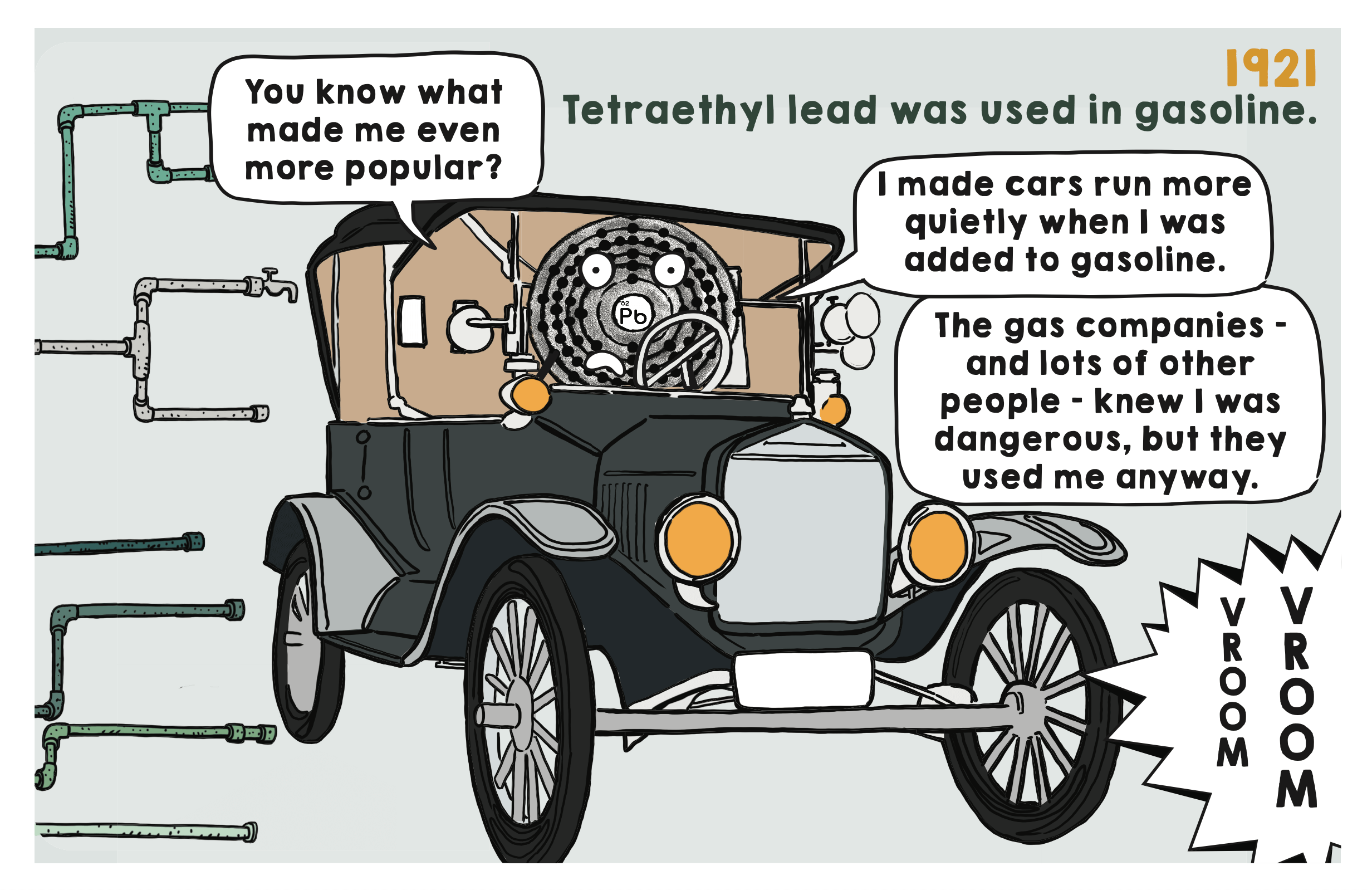
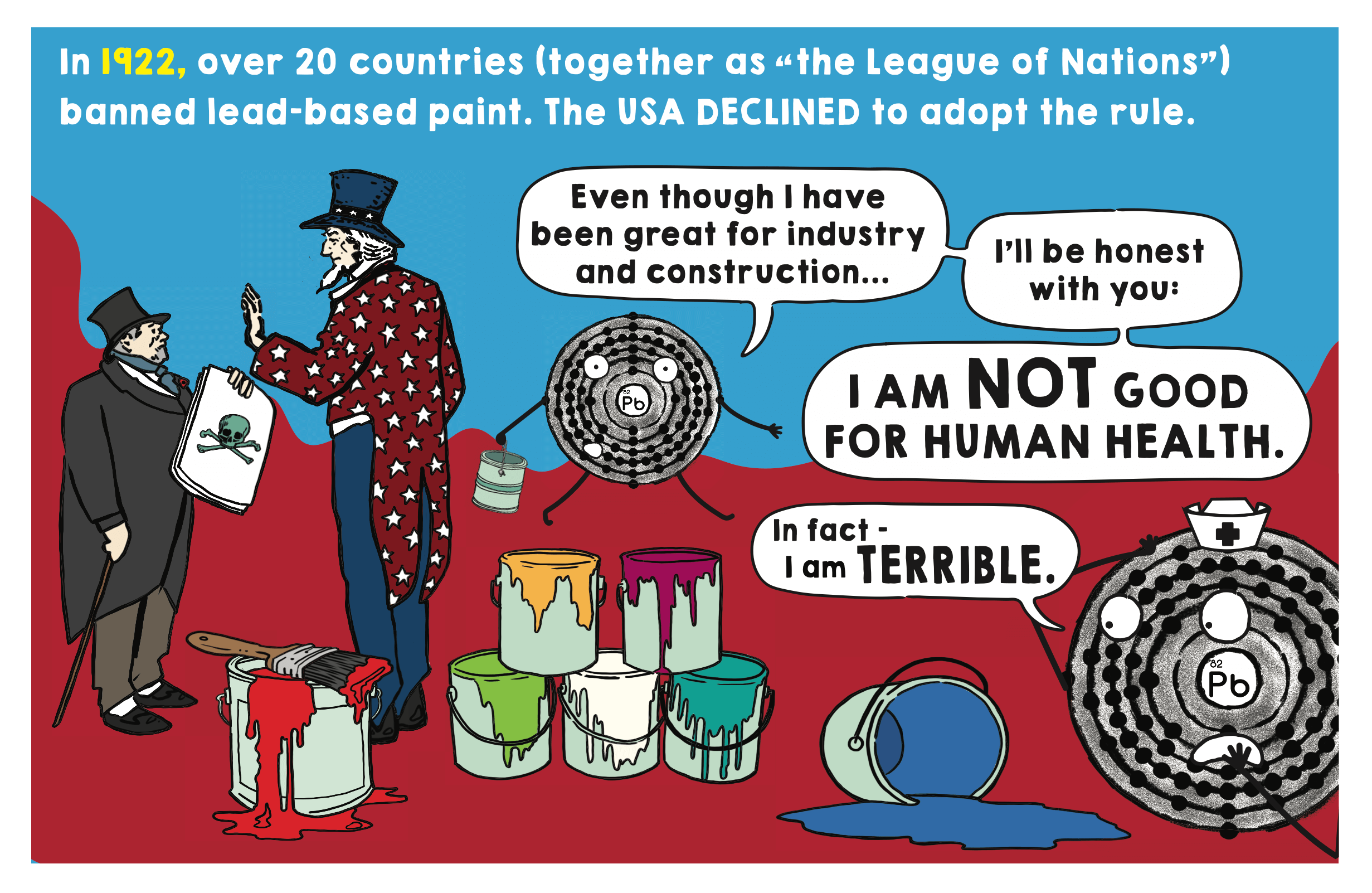
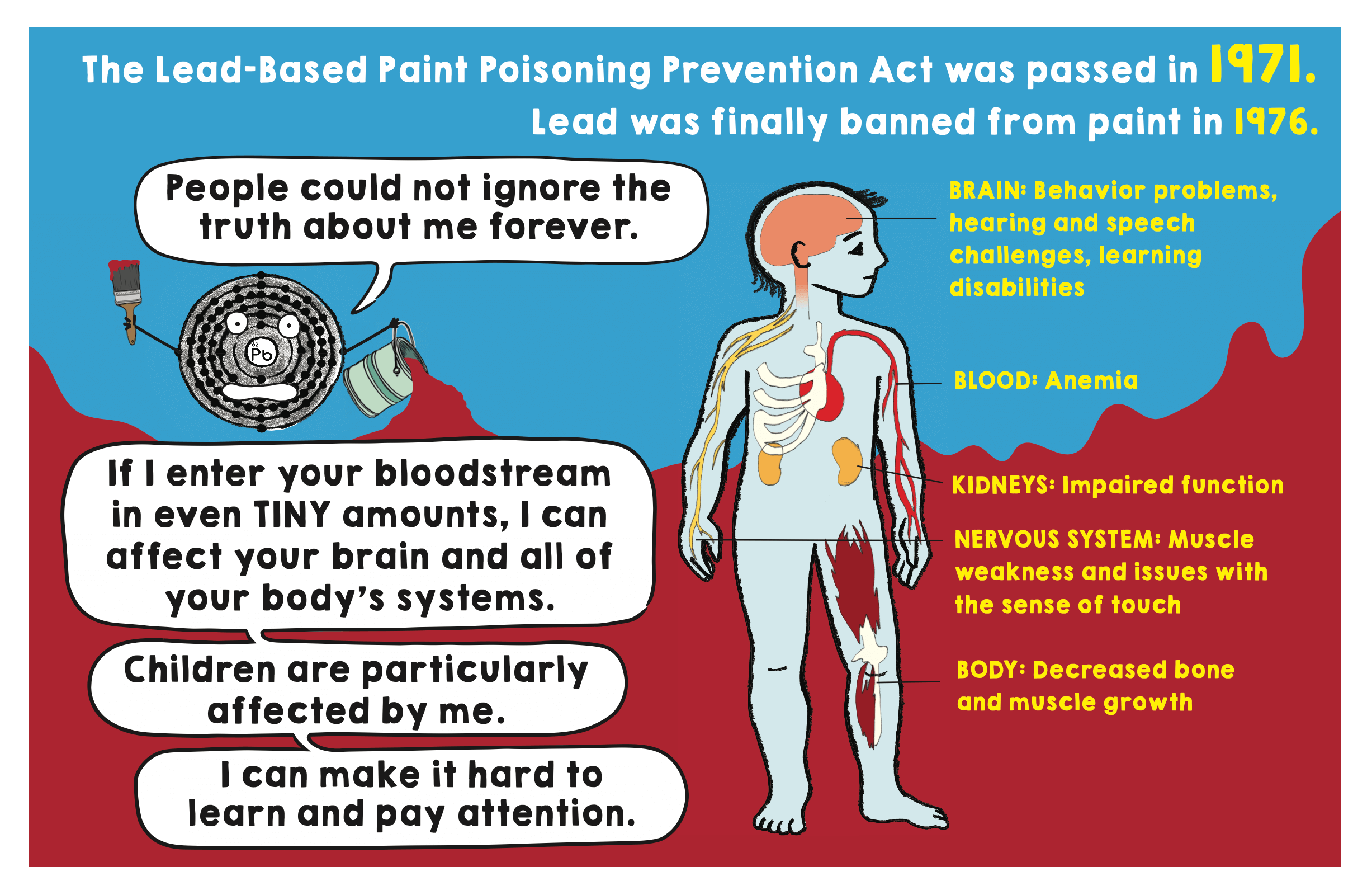
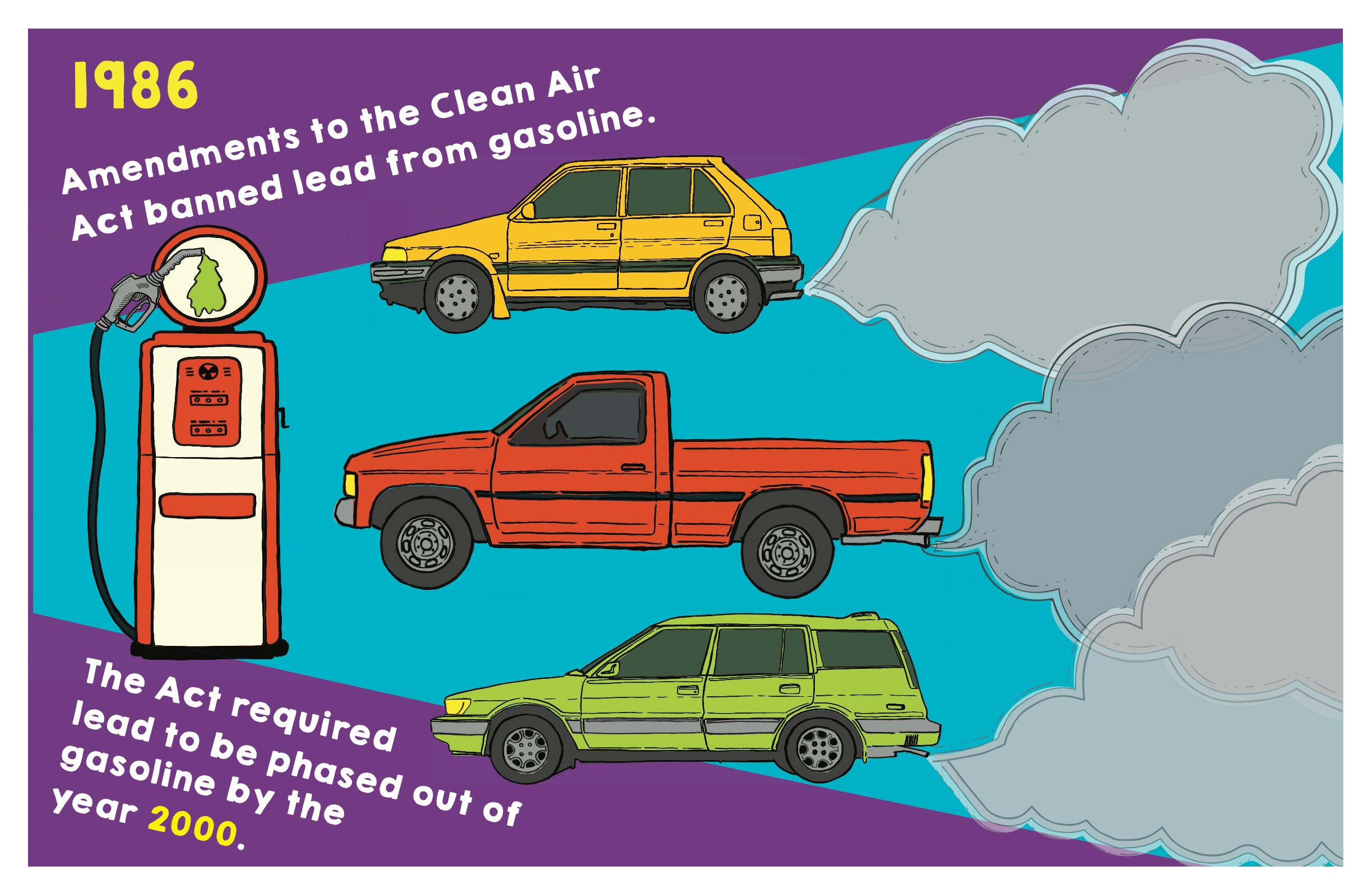
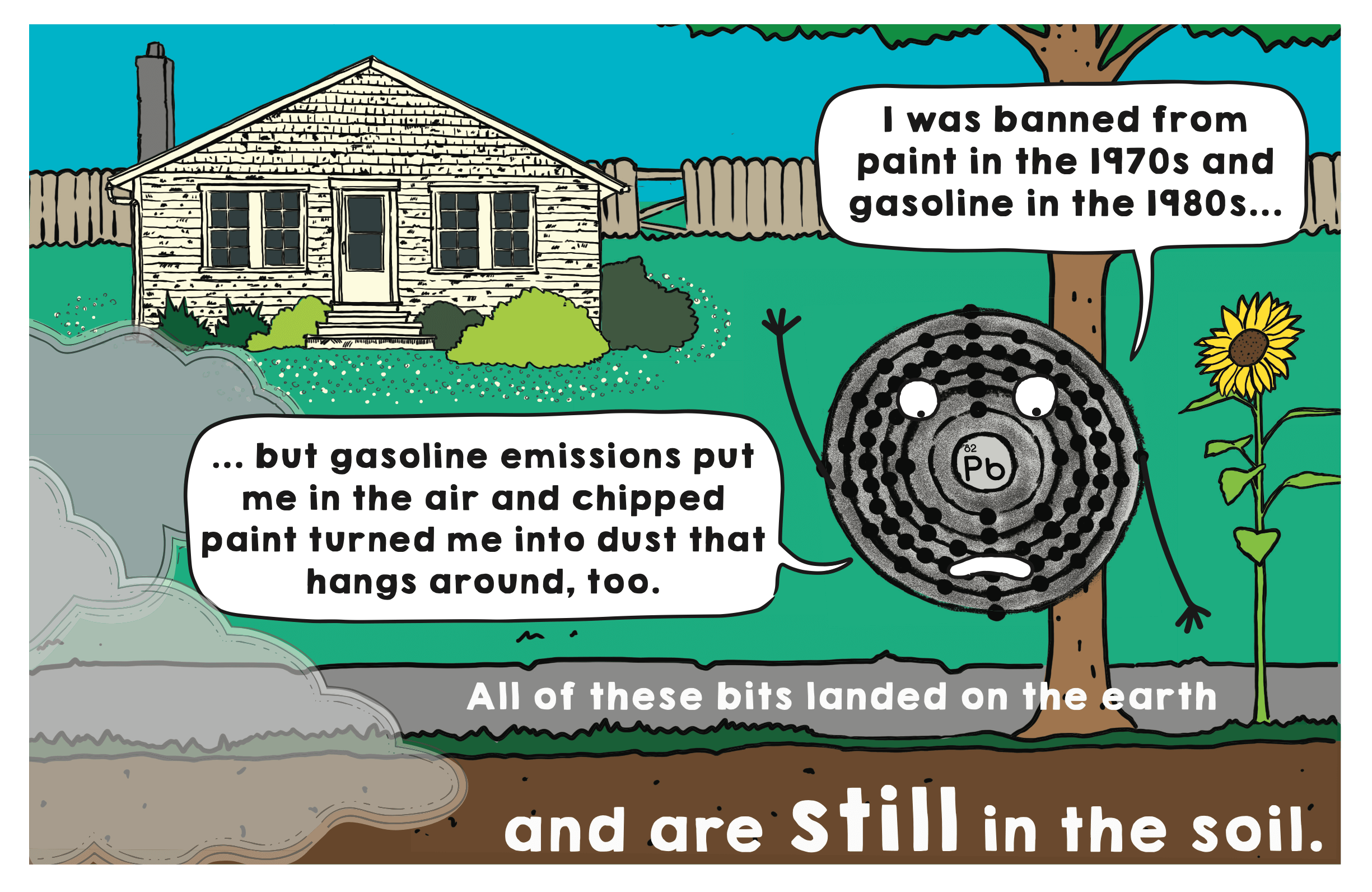
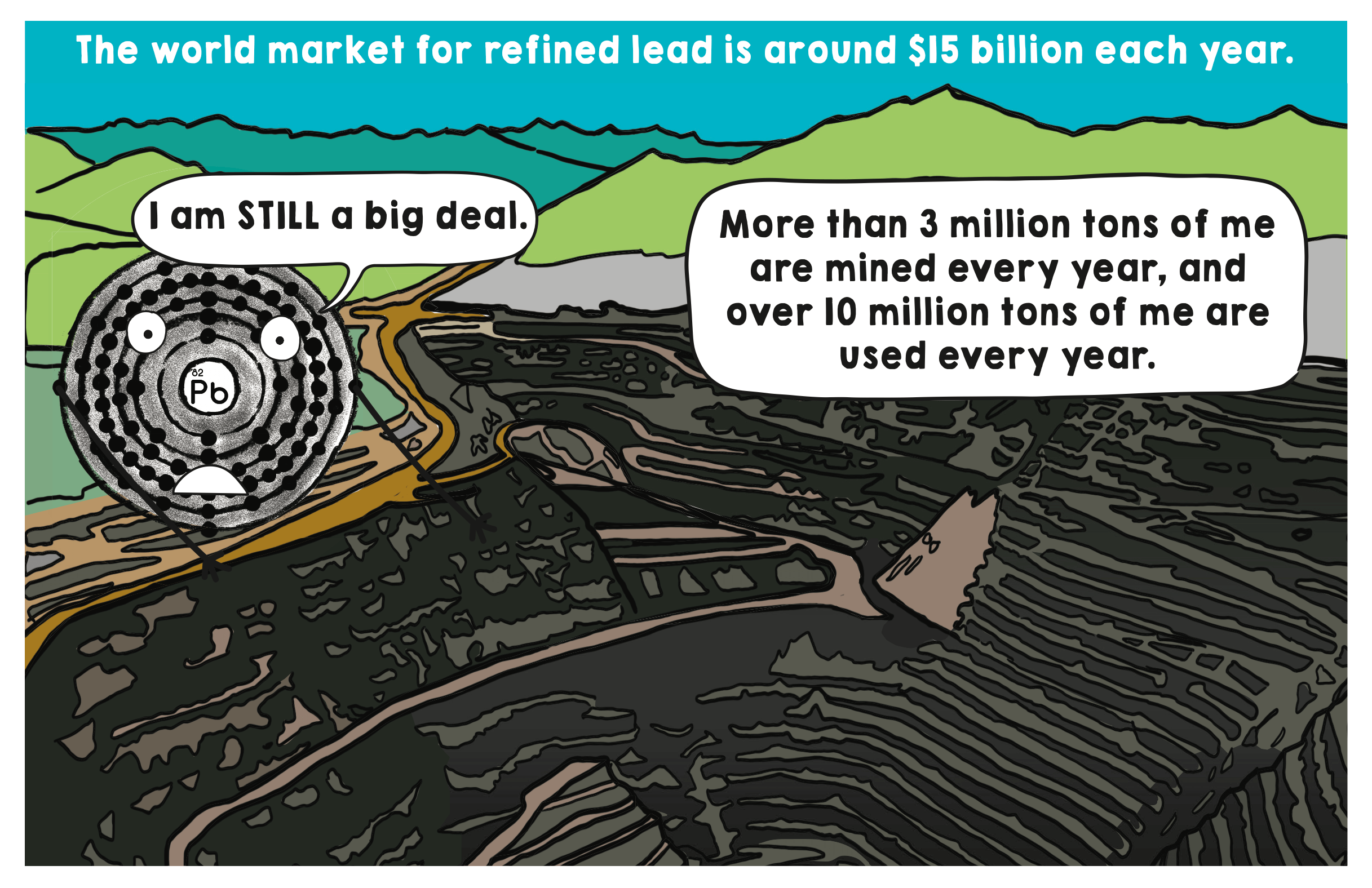
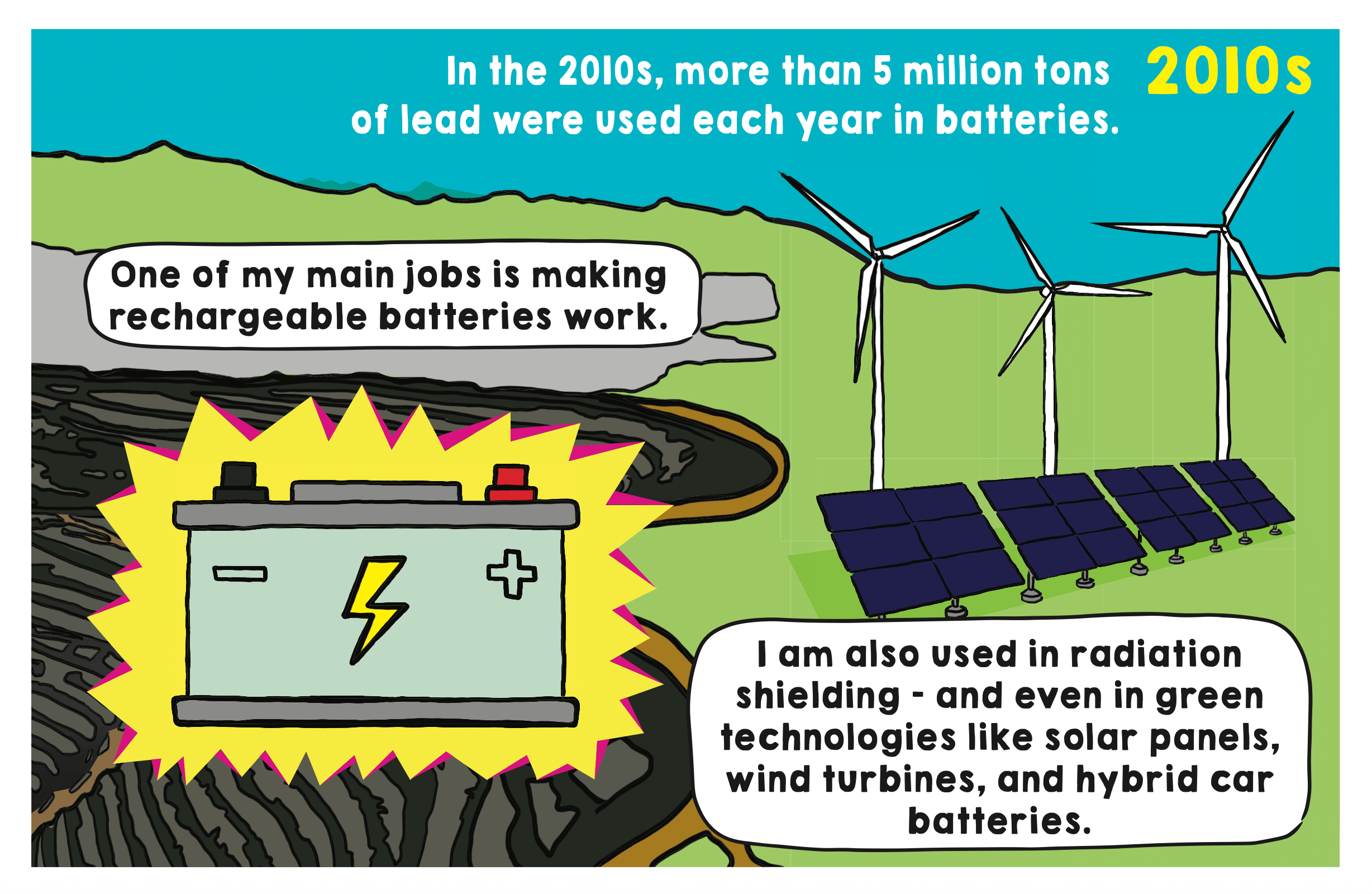
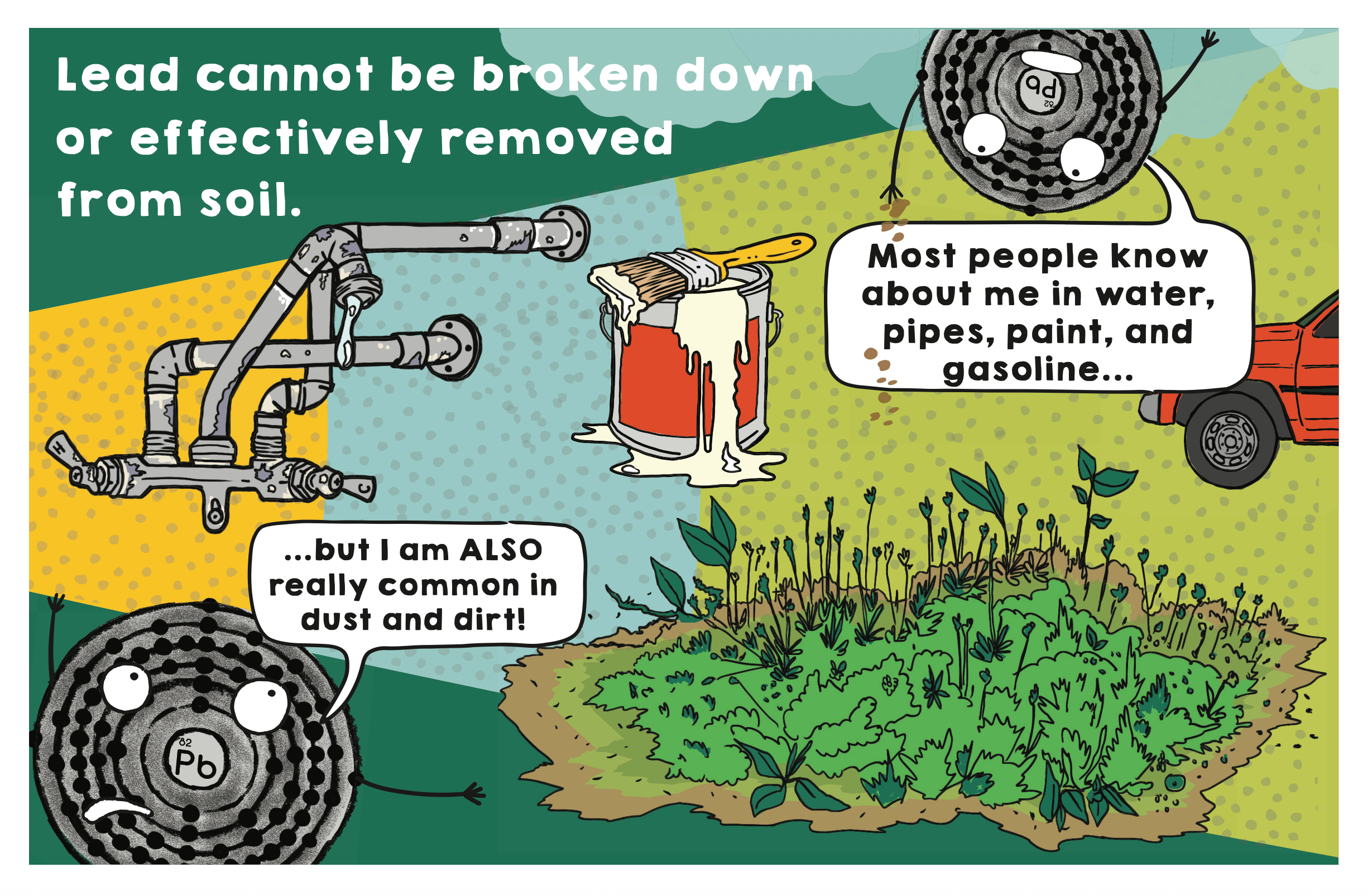
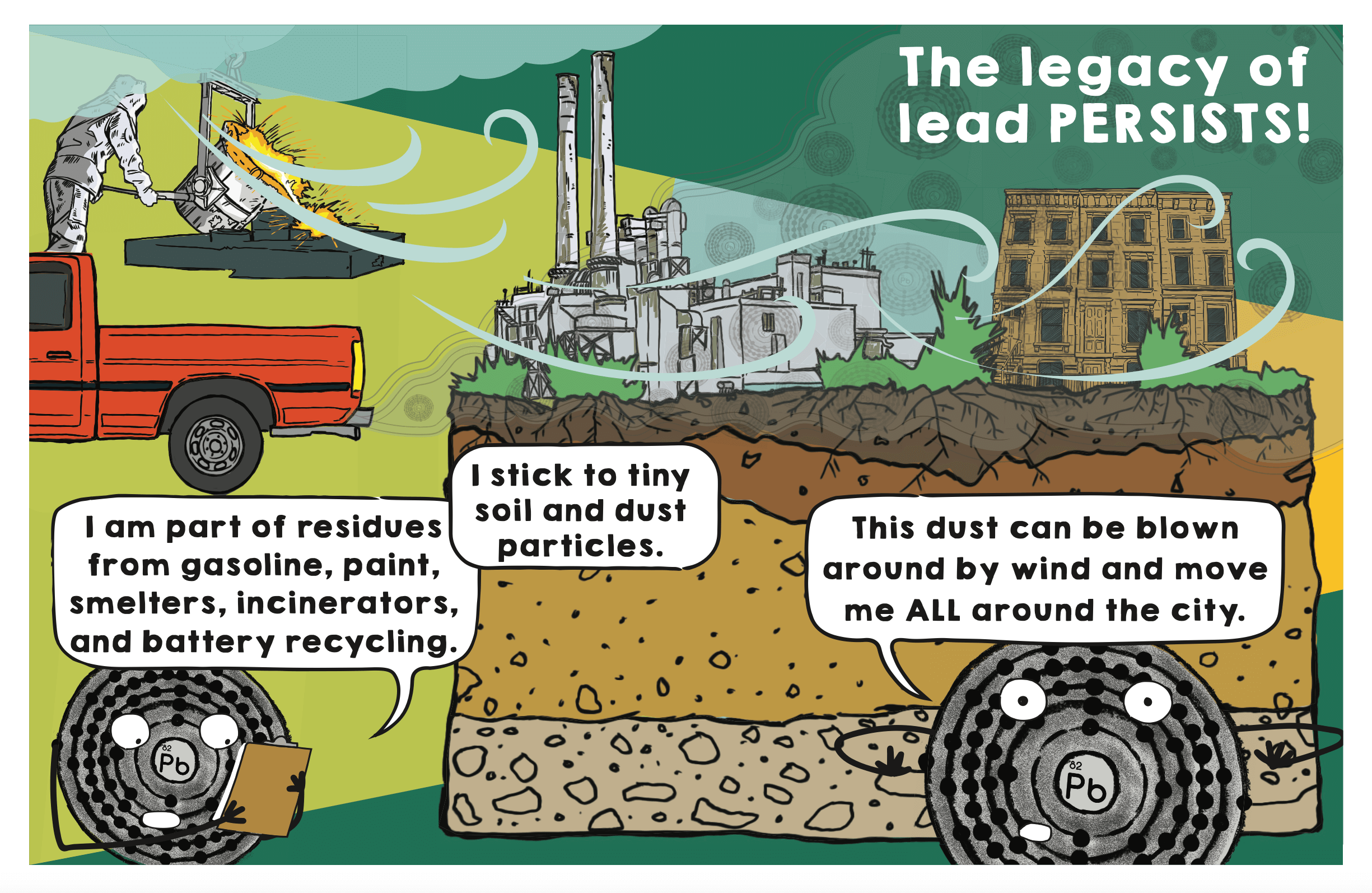
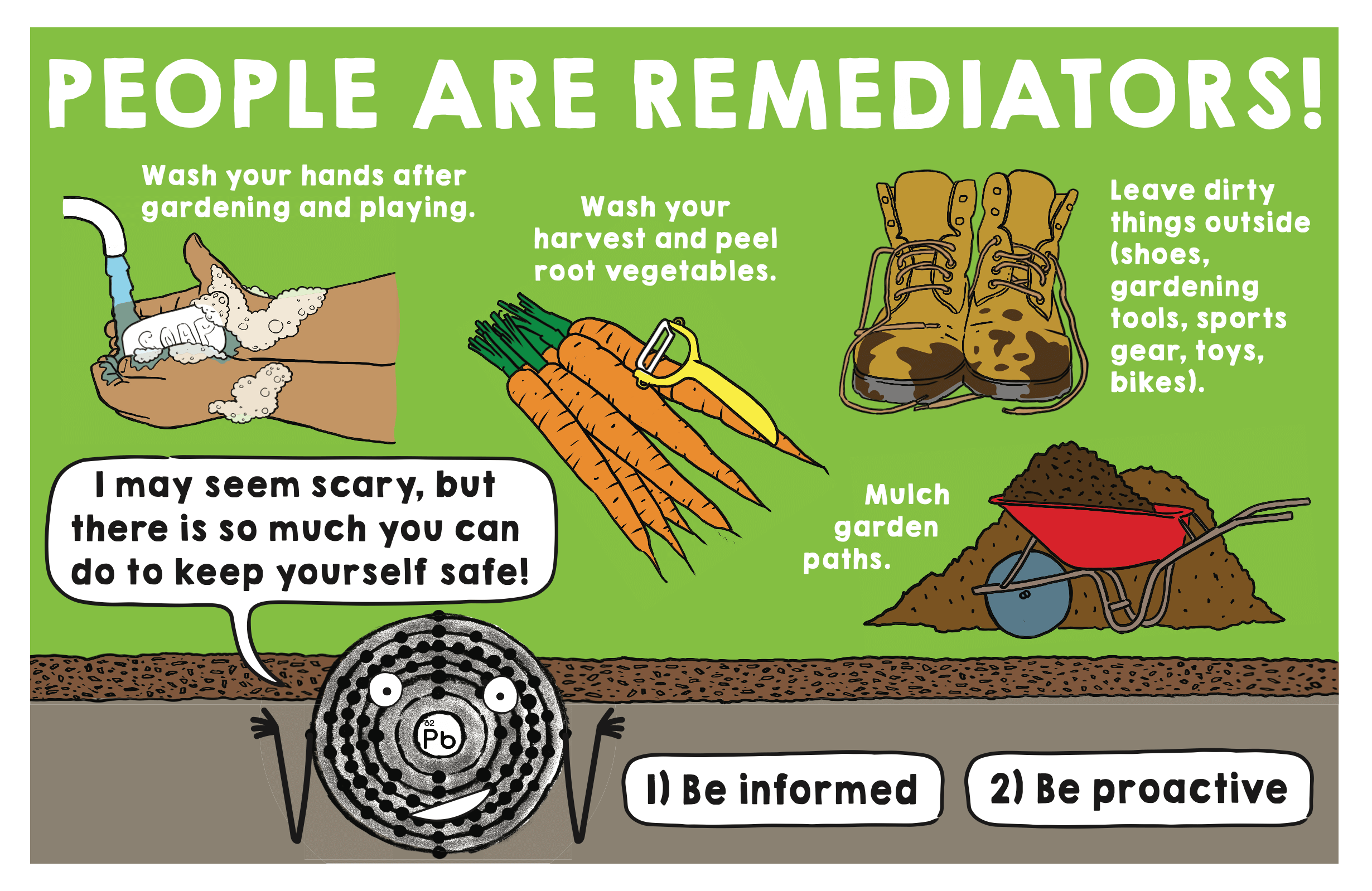
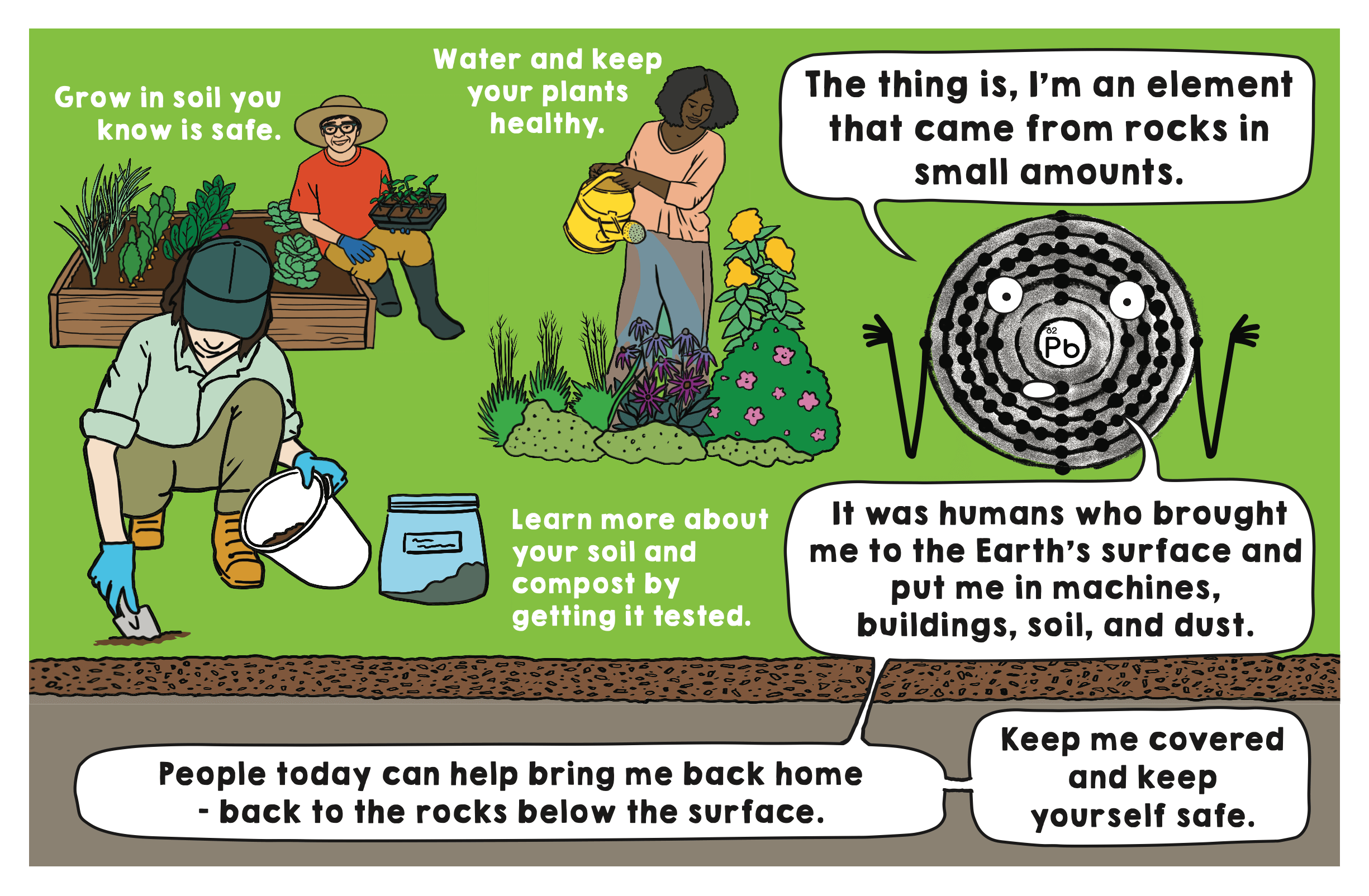
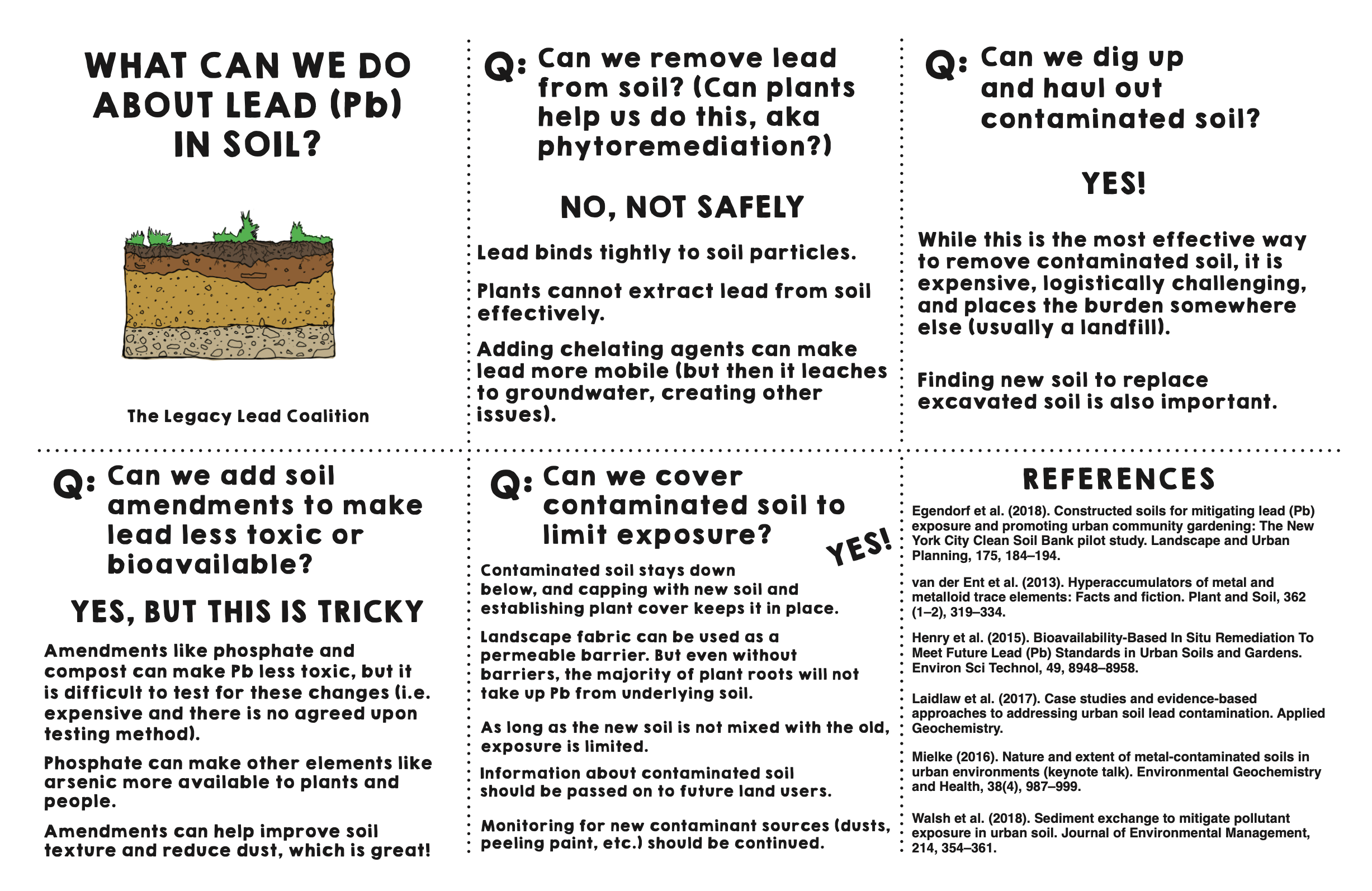
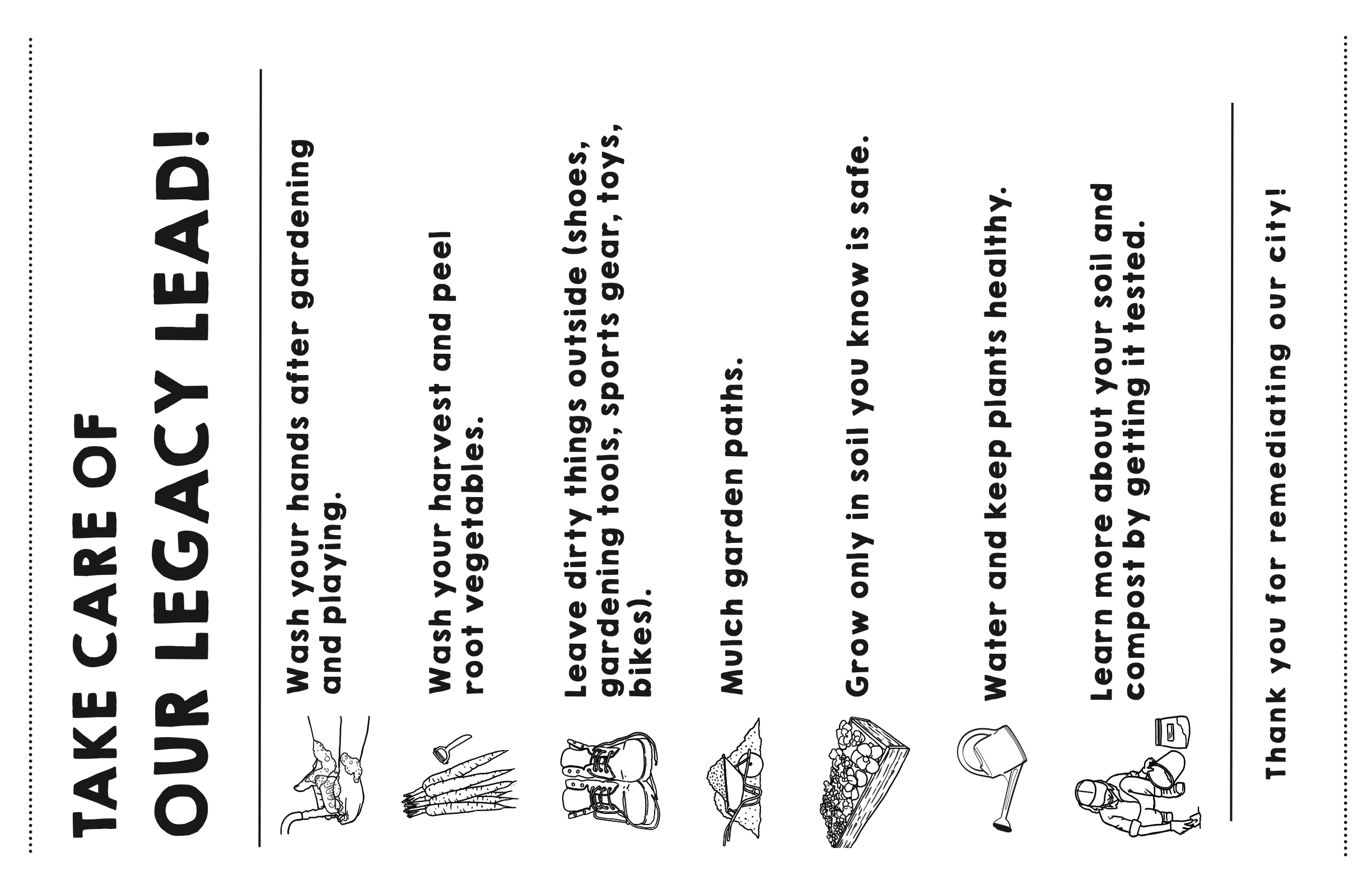
Humans have used lead to advance technology for at least 8 thousand years – notably in Roman aqueducts, paint, gasoline, and even forms of renewable energy. Despite strict regulation of its use today, this heavy metal is still in the places we live, grow, and play. The Legacy of Lead explores the science, history, and modern day reality of this element as it persists throughout our environment. Making science fun and accessible, readers of all ages learn how to stay safe with potentially contaminated soils while getting their hands dirty enjoying their parks, gardens, and backyards.

About the Authors
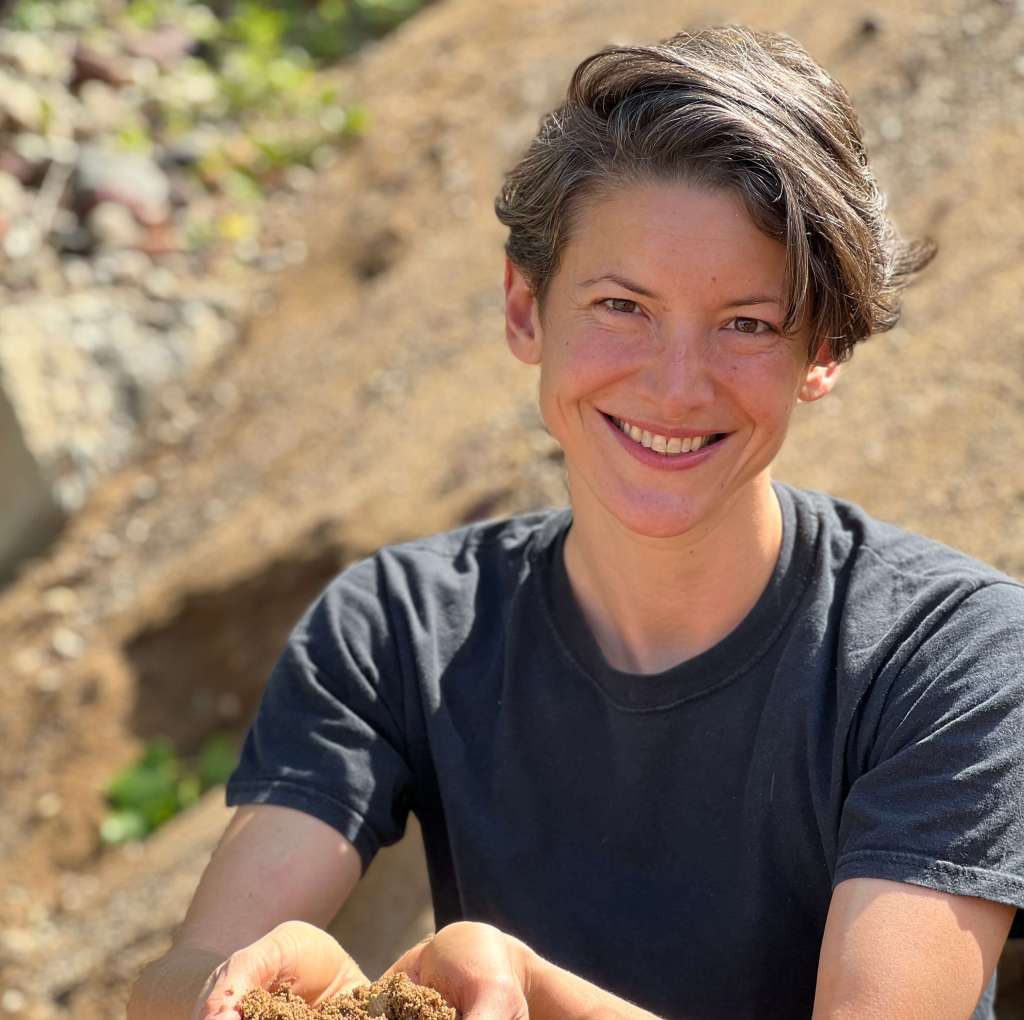
S. Perl Egendorf, PhD (they/them or she/her) is an Assistant Professor of Environmental Studies and Science at Pace University who uses systems approaches to study urban soils and their intersections with food, environmental and climate justice. Perl’s aim as a scientist is to use the tools and resources of science, technology, engineering, art, and math to contribute to various scales of environmental justice.

Paula Z. Segal (she/her) is a Senior Staff Attorney in the TakeRoot Justice Equitable Neighborhoods practice representing community land trusts, gardeners, small businesses, public housing residents, and low income families to create affordable spaces and infrastructure for a resilient city. She is an Ashoka Fellow recognized for building the field of community land access advocacy. Graduating from CUNY Law School and Brown University, Paula came to the United States as a refugee from the Soviet Union in 1985.
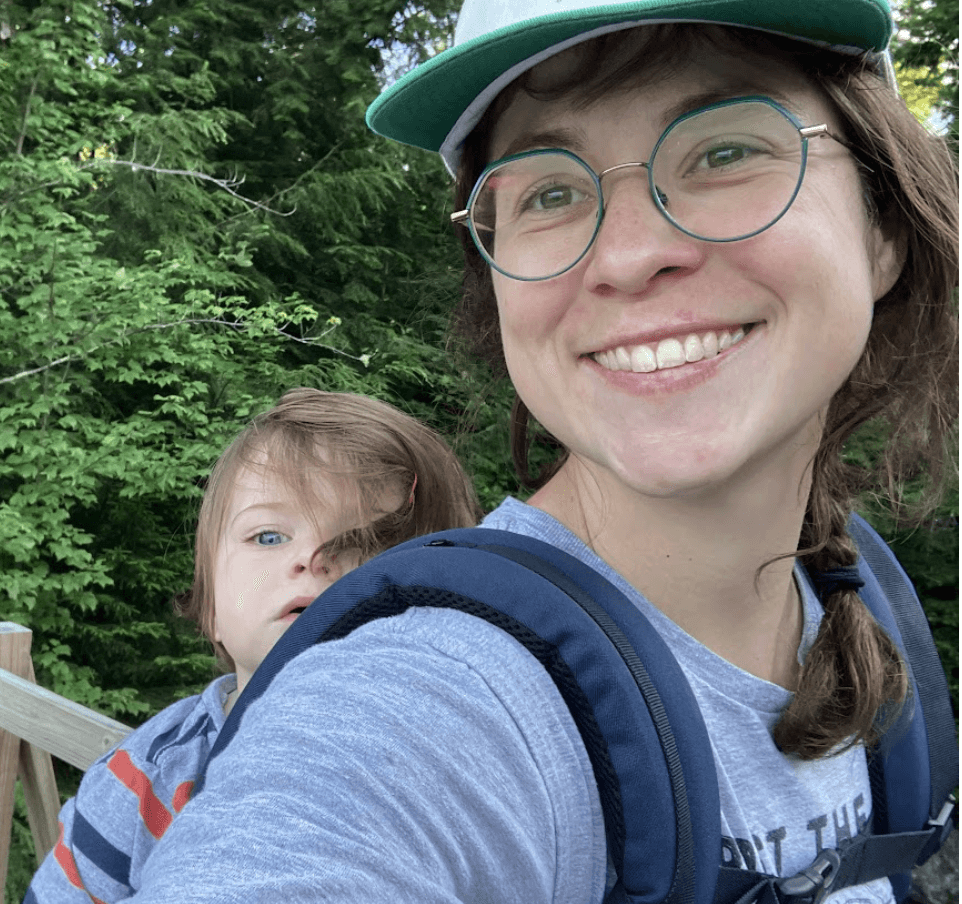
A New York City native, Emily-Bell Dinan (she/her) has lived and worked in Queens, Brooklyn, the Pacific Northwest, and NY’s Adirondack mountains serving environmental non-profits and government agencies in support of community gardens, public parks, habitat restoration, and science communication for close to two decades. She is a graduate of the University of Oregon and the City University of New York, Hunter College. When not gardening, she can be found drawing or arranging flowers.
 Legacy Lead